Wild n Chill Camp Structures & Cabin Fixtures
From survival shelter to smokehouses, wood sheds, and hunting hides across the wilderness.
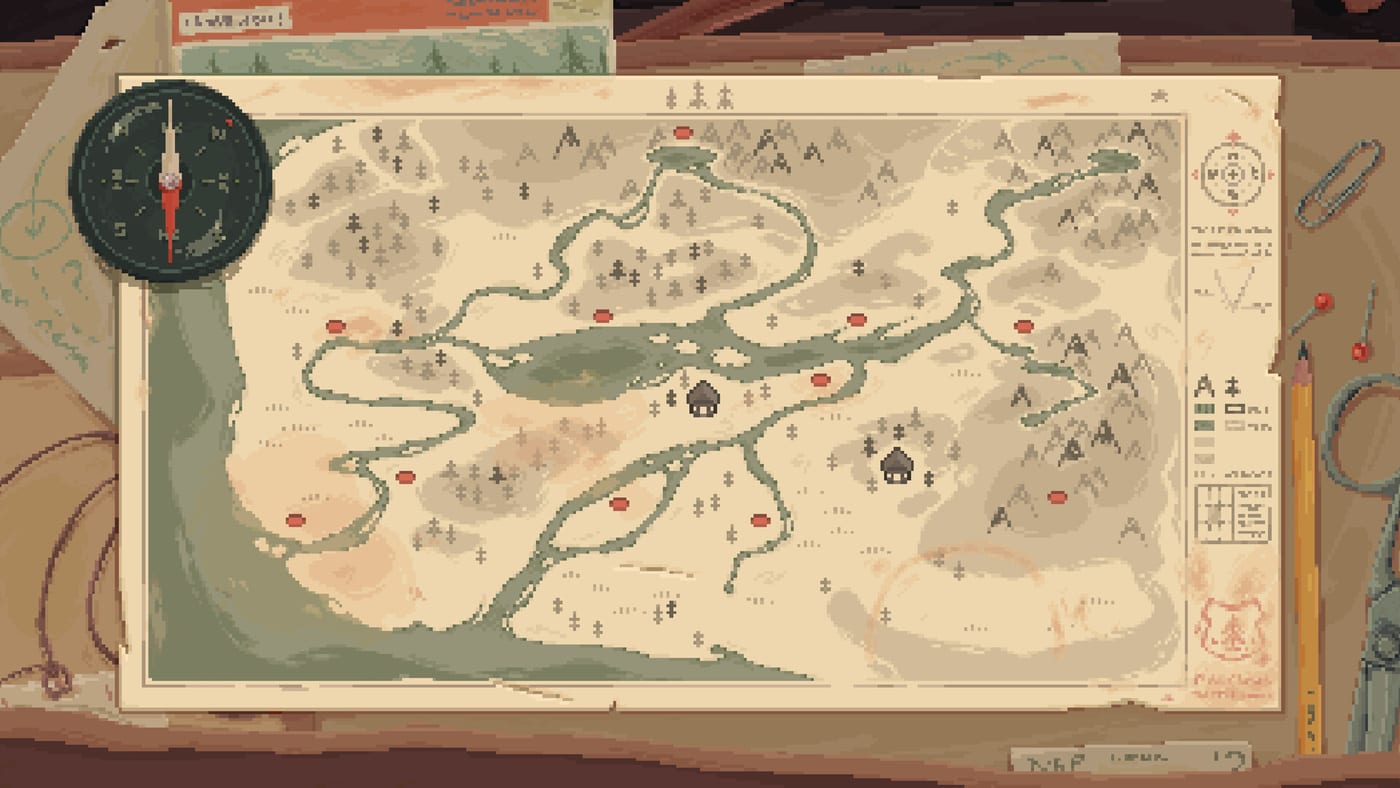
Camp structures are where Wild n Chill stops feeling like a hiking sim and starts feeling like home. Wombat Brawler’s store pitch promises a path from a leaky lean-to to the finest dang cabin this side o’ Blackbear Hollow — with shelters, cabins, smokehouses, wood sheds, traps, food stores, hunting hides, and new building styles waiting as you explore deeper. Steam hosts a Coldwater Crossing Demo that went live on August 6, 2026; the full game remains TBA across eleven planned regions. This page explains how those fixtures fit the crafting loop, what the Demo likely teaches first, and how to prioritize builds without turning camp into a lumberyard graveyard.
Pair this guide with Cabin Building for layout and vibe, Recipes for material thinking, Tools Progression for the unlock ladder, and Foraging so gather loops feed structures instead of starving your energy bar. New players should also bookmark Getting Started.
Structures as progression, not decoration
Every camp fixture answers a camp problem:
- Shelters and cabins — turn exploration into reversible loops and give rest a address.
- Wood sheds — keep fuel dry so fire and cook structures stay reliable.
- Food stores — separate raw, cooked, and emergency calories so needs stop swinging.
- Smokehouses — extend food security through preservation fantasy.
- Hunting hides — support bow and trap workflows near productive game trails.
- Traps — passive protein when maintained with discipline.
If a build does not solve one of those problems tonight or unlock a clear tomorrow, it is vanity — allowed in a cozy game, but label it honestly so bears do not arrive while you are placing decorative posts.
The shelter-to-cabin ladder
Think in layers rather than jumping to dream architecture:
- Emergency shell — survival shelter energy: leak-stopping cover, clear exits, proximity to water and timber.
- Work camp — chopping space, basic crafting access, dry wood habits even before a formal wood shed exists.
- Food infrastructure — traps, food stores, smokehouse-style preservation when your build options include them.
- True cabin — sleep, storage, identity; the place your dog curls up after a long day (Dog Companion).
- Specialist buildings — wood sheds, hunting hides, and style variants as exploration unlocks them.
The Demo teaches essentials inside Coldwater Crossing — simple tools, survival shelter, forage, hunt, meet locals such as Buck — not necessarily every endgame fixture on day one. Missing pieces are roadmap context for the complete wilderness, not Demo bugs. Check Updates when build options expand.
Smokehouses and food security
Smokehouse fantasy is about calm winters in player imagination: meat and fish that do not panic-despawn because you forgot sunset. In practice, even before a dedicated smokehouse piece appears in your session, the habit matters: cook what you hunt, store what you cannot eat, and stop treating every successful bow shot as an immediate feast.
Link smokehouse planning to Survival Needs and Fishing so protein sources diversify. A smokehouse beside a messy raw-meat pile is a mood board, not infrastructure. Place preservation near food stores, away from sleep pockets, and with bear-aware spacing from Bears and Danger.
Wood sheds and dry fuel discipline
Nothing kills chill faster than a beautiful campfire that eats wet wood for an hour. Wood sheds — or wood-shed habits before the formal build unlocks — sit between timber petal and flame. Put them where hauling does not cross your best forage trails; keep chopping zones separate from quiet sleep pockets.
Axe progression on Tools Progression makes shed stocking realistic. In online co-op up to four, appoint one timber lead so the forest ring around camp does not vanish in twenty minutes of cheerful chaos. Shared/Split Screen and Remote Play Together still need the same rule.
Food stores and camp hygiene
Food stores are how you stop scrambling at dusk. Sort raw, cook-ready, and emergency calories. Keep clutter off the bedroom doorstep — black bears roam dense woods in the Demo pitch and are not always keen on sharing the trail. Most critters leave you alone; bears are the exception that keeps camp layout honest.
Foraging on Foraging feeds stores when hunts fail. Hunting hides and traps amplify stores when you maintain them. Hermit Buck may trade when surplus beats a long grind — see Trading with Buck — but structures should not depend on random barter luck.
Hunting hides and trail logic
Hunting hides belong where game trails, water edges, and camp approaches make sense — not where the view is prettiest. Pair hides with bow progression and wildlife reading from Wildlife and Animals Journal. A hide you never visit is litter with extra steps.
Wolves appear in the broader pitch alongside bears; Coldwater Crossing teaching emphasizes black bear caution in dense woods. Build hides with escape routes and dog-warning habits, not with tunnel vision on a single spawn point.
Building styles and exploration rewards
Official text says you discover new building styles as you explore deeper into the wild. That means your cabin identity should evolve with the map — Coldwater Crossing first, then wider biomes when the full game arrives. Use Coldwater Crossing for Demo orientation and Regions Overview for how eleven regions may diversify materials and styles later.
Do not assume every style shown in marketing is selectable on hour one. Demo vs Full helps friends keep region and structure expectations aligned.
Materials budgeting for multi-step builds
Structures spend time as well as mats. Before you raise a frame, ask:
- Does this reduce hunger, thirst, or exhaustion risk tonight?
- Does this unlock the next tool rung or a safer rest?
- Can co-op partners use this immediately?
Fiber should feed rope before ornamental lashings. Good timber should feed shelter frames and firewood before trophy posts. Stone should feed tools before decorative cairns. Recipe logic on Recipes keeps those budgets honest.
Layout rules that keep structures cozy
Water petal: camp sits on a short loop to drinking water so chore circuits stay cheap.
Timber petal: wood sheds and chopping zones live where hauling does not ruin forage trails.
Quiet sleep pocket: separate loud work from rest so evenings feel like Cast n Chill’s land-based cousin, not a construction site.
Wildlife buffer: food stores and raw meat stay away from where you sleep.
Companion space: leave clean exits for dog warnings and retrieval paths.
Demo-first build order
- Survival shelter with clear exits.
- Basic tools from the crafting ladder so every later piece is faster.
- Dry wood storage habit (wood shed when available).
- Food storage and preservation path (stores, smokehouse fantasy).
- Comfort pass: better sleep setup, cleaner paths, dog-friendly fire circle.
- Optional hunting hide once needs are boringly stable.
If you only finish steps one through three in a session, you still won the Demo evening. Wild n Chill is paced for slow living; camp pride is a multi-session story.
Common structure mistakes
- Building on a scenic overlook with no water petal.
- Expanding footprint before food stores exist.
- Ignoring bear approach angles in thick timber.
- Letting co-op builders block main paths with “creative” props.
- Treating the Demo as if every full-game smokehouse and hide is already unlocked.
Correct those, and Coldwater Crossing starts feeling like a place you would return to while the complete release remains upcoming on Steam.
For input friction while placing pieces, skim Controls. For the wider crafting index, return to the Crafting Hub. For narrative pacing around builds, open Guides. Structures are how the wilderness learns your name — build slow, build dry, and let the dog nap where the firewood is finally stacked right.
Frequently Asked Questions
Quick answers to the most common questions.
What camp structures does Wild n Chill include?
The pitch includes shelters, cabins, smokehouses, wood sheds, traps, food stores, hunting hides, and additional building styles discovered through exploration.
Which structure should I build first in the Demo?
A survival shelter near water and timber. Stabilize fire and tools before chasing smokehouses or hunting hides.
Are smokehouses and wood sheds guaranteed in the Demo?
Not necessarily. They are part of the wider cabin design; Coldwater Crossing teaches essentials first while the full game remains TBA.
How do camp structures relate to crafting recipes?
Tools and materials from the crafting ladder feed structures. See Recipes and Tools Progression for unlock order and material priorities.
Where should I place food stores and smokehouses?
Near cook and preservation workflows but away from sleep pockets, with bear-aware spacing and clean camp exits.