Wild n Chill Hunting Guide
Stalk elk, read trails, and bring land protein home without breaking the chill.
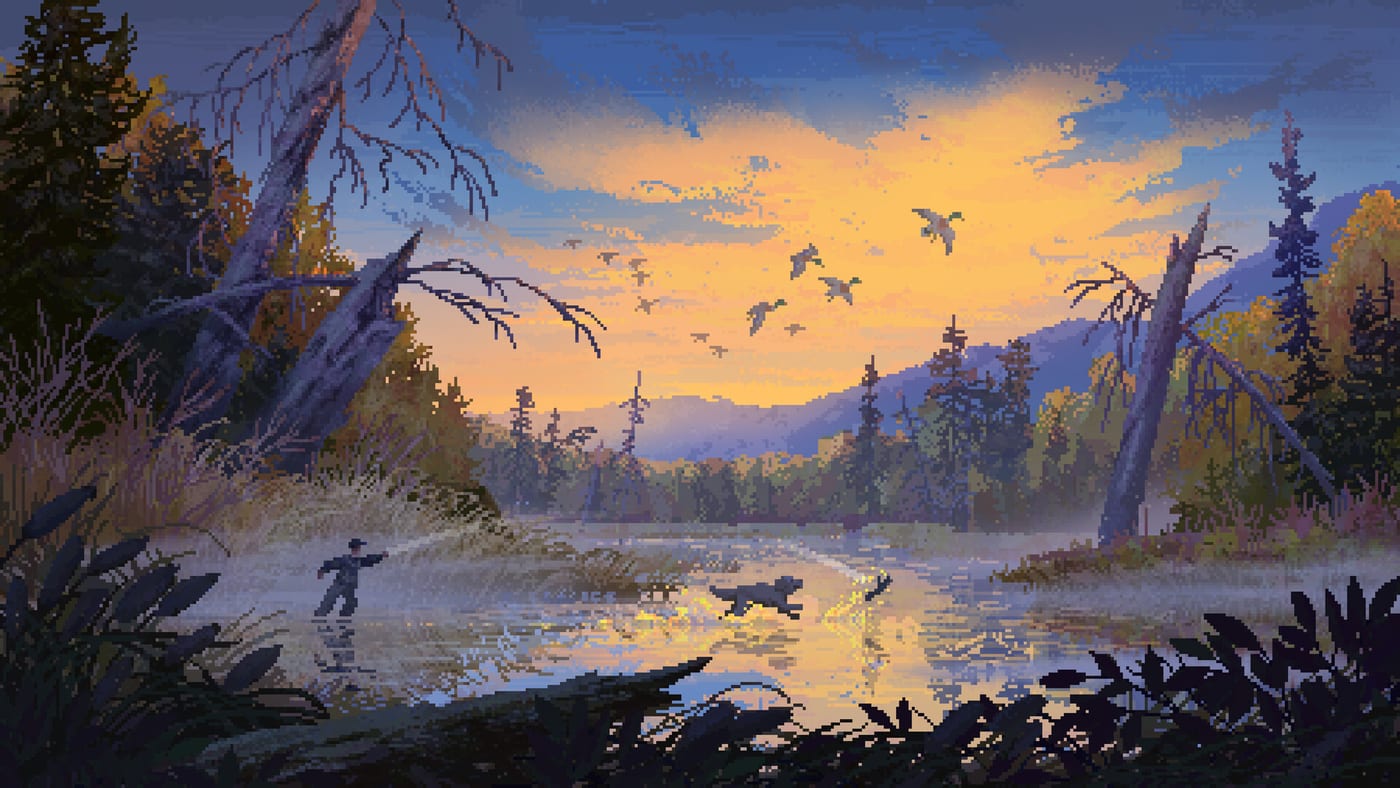
Hunting is where Wild n Chill earns its “wild” half. Wombat Brawler’s cozy wilderness survival game asks you to forage, fish, trap, and craft — but the bow loop is the fantasy spine that turns Coldwater Crossing from a scenic walk into a camp you can actually feed. Steam hosts a Demo in this first region (Demo went live August 6, 2026, App 4628650); the full game remains TBA on the main listing (App 3847920). Store pitch highlights elk hunting, hunting hides, and the broader Canadian/Alaskan backcountry vibe that stretches toward names like Blackbear Hollow in marketing. This guide covers stalking, tracking, when to hunt versus other food loops, and how Demo scope differs from the eleven-region roadmap.
New players should stabilize camp basics via Getting Started and Survival Needs before committing to all-day timber chases.
What hunting is for in the cozy loop
Land protein fills the cook pot when fishing banks feel far and forage calories are thin. Hunting also feeds the Animals Journal curiosity track — see Animals Journal — and supports cabin upgrades like hunting hides mentioned in the full-game pitch. You are not grinding a combat bestiary; you are learning routes, wind sense, and when to abort so the fantasy stays cozy instead of stressful.
Tool readiness matters. Bow work sits on the bushcraft ladder alongside knife, rope, and fire — details on Tools Progression. Hunt before you can process and cook cleanly, and you create inventory clutter and bear-adjacent risk. Hunt after those rungs, and each outing feels like progress toward “the finest dang cabin this side o’ Blackbear Hollow.”
Stalking elk and reading the land
Elk hunting is part of the public pitch — a marquee land hunt that rewards patience over sprinting. Treat elk as a session goal, not a vending machine:
- Pick a spine route with landmarks and water access on Coldwater Crossing.
- Move on stable needs — hunger, thirst, and energy off empty per Survival Needs.
- Use margins, not tunnels — dense cover is where black bears are less interested in sharing; skim Bears and Danger before you treat thick timber like a shortcut.
- Close distance calmly — the gameplay trailer shows the chill pace Wombat Brawler wants; watch the official Gameplay Trailer mid-session if you need a reminder that slow stalking beats panic sprinting.
- Process away from sleep — dress game at cleared camps when possible; keep scraps managed so camp pressure stays theoretical, not a wolf-at-the-door surprise.
Tracking is observation plus memory. Note where you saw sign, which meadows felt open, and which ridges cost too much energy for the return trip. The journal rewards curiosity, but curiosity without exit planning is how cozy runs end badly.
When to hunt versus forage or fish
Rotate protein sources so one bad day does not empty the pot.
- Forage first when tools and fire are still fragile — Foraging stabilizes fiber, stone, and snack calories without chase injuries.
- Fish when land trails feel loud, energy is middling, or co-op needs someone on a safe bank — Fishing is the soft landing Cast n Chill players already understand.
- Hunt when routes are clear, knife and campfire are ready, and you have daylight plus dog support for retrieves and warnings — Dog Companion.
- Trap passively when you want calories working while you build — pair with Trapping so camp keeps producing between active bow days.
Heavy hunt days should rest while others gather or cast. Heavy forage days pair well with a short evening stalk on known sign. If Hermit Buck wants trade goods you lack, sometimes a calm water session or berry loop frees hours you would have spent forcing a bad hunt — Trading with Buck.
Demo essentials versus full-game hunting
Coldwater Crossing teaches bushcraft essentials: simple tools, survival shelter, foraging, hunting, and meeting locals such as Buck. Speak about Demo hunting as a classroom slice — learn stalk habits, process loops, and route timing here; expect broader species counts (40+ animals planned) and region variety (eleven regions planned) as the map opens. Do not treat the Demo like a finished trophy encyclopedia.
Compare scope honestly on Demo vs Full and Regions Overview. Blackbear Hollow appears in marketing as part of the cabin dream; Coldwater Crossing is where you earn the instincts that should travel when more wilderness unlocks.
Dog help, bears, and co-op chores
Your dog companion retrieves game and warns about nearby danger — use both. Retrieves shorten time over carcasses in awkward cover; warnings buy seconds to abort. Keep the dog fed and pathable around camp furniture so hunts do not become leash puzzles.
Black bears in dense woods are real pressure, not scenery. Skirt thick cover when hauling meat, keep camp tidy, and listen when the woods feel wrong. Wolves sit in the broader store conversation about keeping predators out of camp while bellies stay full — build food sense even when a given Demo moment feels quiet.
Online co-op supports up to four players, plus Shared/Split Screen and Remote Play Together on Steam. Assign roles instead of letting everyone hunt:
- Stalker — one focused bow player on the active trail
- Spotter — watches flanks and calls bear vibes
- Camp anchor — fire, wood, cook, trap checks
- Flex — forage, fish, or trade run to Buck
If four players all vanish into the timber, shelter frames stall and the cozy fantasy becomes a hungry snack bar. Call retreats out loud; pride is not a shared resource.
Session checklist
- Needs stable; knife and fire plan real
- Route mapped on Map pages; abort conditions set
- Dog with you; co-op roles assigned if friends joined
- Goal is singular — one stalk target, not a five-stop tour
- Alternate with Fishing and Foraging across the week
- Log journal notes safely on Animals Journal
- Return to Wildlife for trapping and danger pages; Guides for pacing; Controls if bow inputs feel awkward; Tools for wiki helpers
Hunting keeps Wild n Chill honest: a little wild, a lot of chill, and dinner that tasted earned because you read the trail instead of forcing the ridge.
Frequently Asked Questions
Quick answers to the most common questions.
Can you hunt elk in the Demo?
Elk hunting is part of the public pitch and appears in official media. Treat Coldwater Crossing as the teaching region — learn stalk and process loops here while the full game remains TBA.
When should I hunt instead of fish or forage?
Hunt when tools, fire, and routes are ready and land trails feel safe. Fish or forage when energy is low, cover is dense, or co-op needs calmer calorie math.
How does the dog help while hunting?
Your companion retrieves downed game and warns about nearby danger — pair those tools with calm stalking and quick aborts when warnings spike.
Is hunting safe with black bears around?
Dense woods include black bears that are not always keen on sharing trails. Read Bears and Danger, process away from sleep spots, and keep co-op spotters active.