Wild n Chill Hermits & Locals
Strange old hermits, friendly trades, and the social layer of cozy wilderness life.
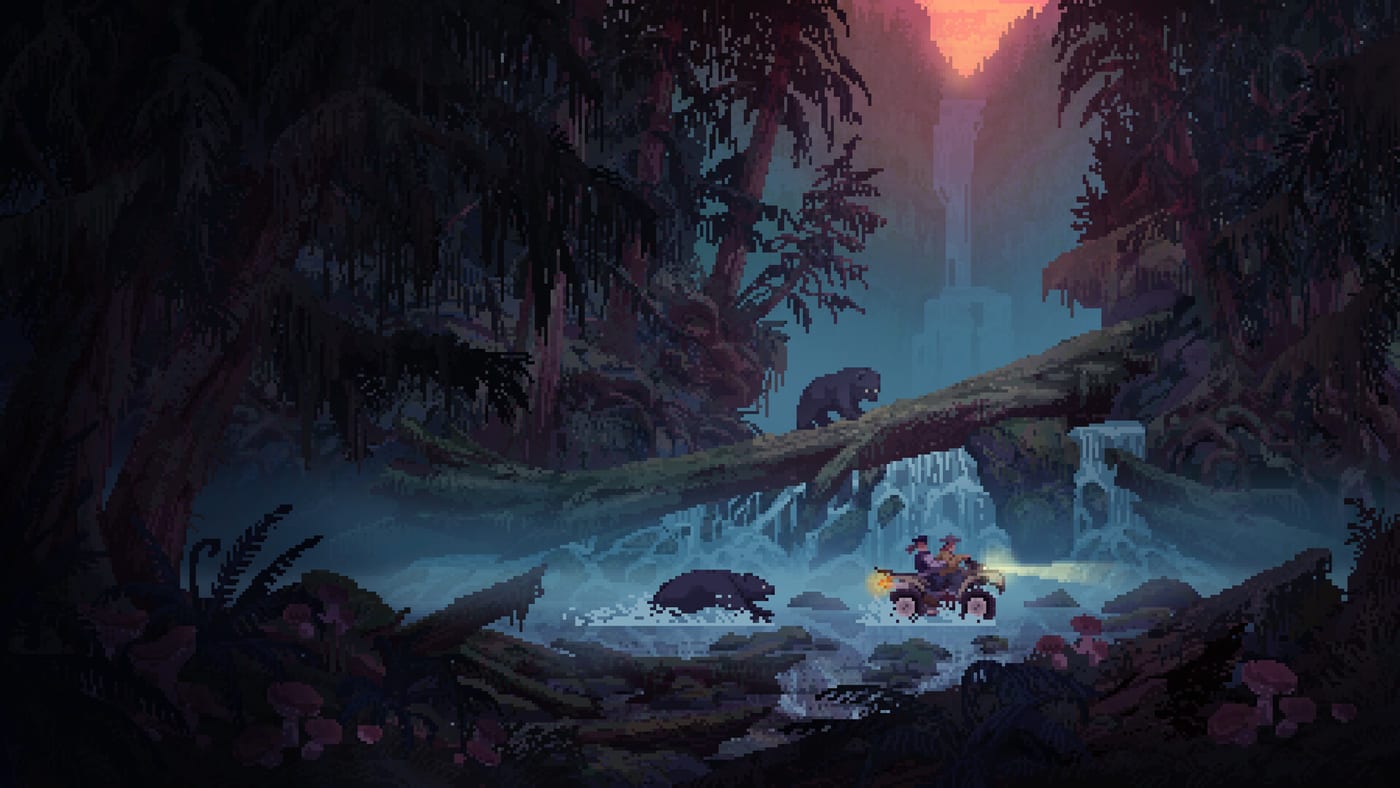
Wild n Chill is not an empty postcard. Wombat Brawler’s cozy wilderness survival pitch sprinkles the backcountry with people who chose dirt floors over city noise — and the store copy names them plainly: deep in the wilderness live a couple of strange old hermits, friendly enough once they stop staring. Bring them the right supplies and they might trade something special. That sentence is the social spine of the game, and it matters even when your first priority is still a dry lean-to and a full belly.
This page is the broader “meet the locals” guide. It covers who those hermits are in fantasy terms, how the Demo introduces Buck as your first named contact, how to prepare surplus without turning every hike into a gamble, and why plural hermits belong to the wider eleven-region journey still marked TBA on Steam. For Buck-specific barter mindset, open Trading with Buck. For Coldwater Crossing scope, keep the Demo Guide nearby. Brand-new campers should start at Getting Started.
Why locals exist in a chill survival game
Most survival titles treat solitude as default and NPCs as quest vending machines. Wild n Chill leans the other direction: cabin life is cozy partly because the world has witnesses. Hermits are not there to lecture you through a tutorial gate. They reward the same attention the rest of the loop asks for — foraging with eyes open, hunting without waste, crafting with intention. If you play attentively, you eventually carry extras that are more valuable as trade fuel than as clutter in a half-finished shelter.
Locals also give co-op groups a shared errand that is not “build faster.” Online sessions support up to four players, which is perfect for a designated gatherer filling a hermit shopping list while a builder finishes a wood shed. See the Co-op Guide when you want chore rules that keep social visits from becoming inventory arguments.
Hermits in the full pitch versus the Demo
Language matters here. The full-game store text speaks in plural: a couple of strange old hermits. That implies more than one personality, more than one hideout, and probably more than one trade temperament as you push past marketing landmarks like Blackbear Hollow and into deeper biomes across eleven planned regions. The complete game remains upcoming on Steam (App 3847920) with a TBA date; do not describe every hermit encounter as playable today.
The Steam Demo — Coldwater Crossing, Demo build dated August 6, 2026 (App 4628650) — makes the social loop concrete through Buck, a friendly old hermit who might trade if you have something worth offering. Buck is your Demo introduction, not the entire cast. Treat him as proof that wilderness socializing is real, then hold space for additional hermits when the full map opens. Demo vs Full keeps those verbs honest for friends who expect the whole roster on day one.
Meeting Buck without overfitting the fantasy
Buck’s personality in public materials is gentle eccentricity, not boss fight energy. You hike to him with surplus, not with desperation. That distinction protects the chill tone: trading is seasoning on a competent camp, not a rescue button when you forgot to eat.
Before you plan a Buck visit, stabilize the basics on Survival Needs. Secure shelter through Cabin Building thinking — even a survival shell counts — and keep black bear awareness from Bears and Danger in mind because hermit trails still cross dense woods. Your dog companion can retrieve and warn along the way; see Dog Companion for camp habits that make warning barks useful instead of background noise.
Surplus preparation: the locals mindset
Hermit trades fail when players treat them like shops with infinite patience. The healthier pattern is trade from surplus, never from panic:
- Forage stacks you already replaced on a reliable route — details on Foraging
- Fish or hunted goods beyond tonight’s dinner plan — pair with Fishing and Wildlife
- Crafted materials you outgrew after unlocking better tools via Tools Progression
- Specialty finds that are interesting but not camp-critical
Sort at camp before you walk: craft pile, cook pile, trade pile. If the trade pile is empty, you are not ready; if it contains your last meal, you are also not ready. Buck rewards players who planned an outing, not players who sprinted away from an empty energy bar.
The hike is still wilderness travel
Meeting a local is not a fast-travel cutscene. Plan the walk like a mini expedition:
- Mark water on the outbound route using Coldwater Crossing landmarks.
- Travel with energy headroom in case wildlife pressure rises.
- Respect that most critters leave you alone while black bears in dense woods are the manners exception the Demo emphasizes.
- Return before you are forced into a night scramble you did not pack for.
Wolves appear in the broader design pitch alongside bears; Coldwater Crossing teaching focuses heavily on black bear caution. Stay alert without turning every rustle into paranoia — that balance is the Wild n Chill tone.
What “something special” means in wiki terms
Official text keeps rewards intentionally mystical. Hermits might trade something special when you bring the right supplies. In wiki terms, treat locals as progression spice racks — convenience, novelty, or cabin-supporting pieces that reinforce exploration rather than replace it. When Wombat Brawler publishes concrete inventories, fold specifics into Updates. Until then, evaluate offers by camp impact: does this reduce chore time, improve food security, or enable a build step you already planned?
For deep barter etiquette and co-op carrier rules, Trading with Buck goes further than this page needs to repeat.
Locals beyond hermits
Hermits are the headline social feature in store copy, but “locals” also includes the implied human texture of a lived-in backcountry — trails that suggest other campers, marketing references to Canadian and Alaskan wilderness culture, and the Cast n Chill sibling energy where community presence matters even when you are off-grid. Do not invent named NPC rosters the studio has not shown. Instead, read environmental storytelling through camp placement, map edges, and future region reveals on Regions Overview.
Demo session plan for first contact
Evening one: ignore hermits entirely. Fire, shelter, water, food. Social content is a luxury built on competence.
Evening two or three: run a surplus audit, pick one trade pile, hike with a friend if co-op is available, and visit Buck once needs are boringly stable.
Later sessions: compare what Buck offered against what your camp still lacks — storage, preservation, hunting support — and let that inform Crafting priorities without assuming every hermit reward is a mandatory upgrade.
Co-op etiquette for local runs
Agree who carries the trade bag. Proximity in Shared/Split Screen or Remote Play Together does not equal inventory discipline. After a successful visit, deposit gains into shared storage before anyone starts a vanity build. Call targets out loud: “fiber south ridge” beats three friends silently spending the same surplus stack.
Keeping expectations honest
Say careful verbs out loud: the Demo went live on August 6, 2026; Steam hosts a Demo; the full game is TBA. Buck is real in Coldwater Crossing; additional strange old hermits belong to the upcoming complete wilderness. Never imply the full roster is finished content.
When you are ready to specialize, jump to Trading with Buck. When you need the wider tutorial web, return to the Guides Hub. When you want official storefront context, bookmark Links. The hermits are waiting — stare contest optional, surplus mandatory.
Frequently Asked Questions
Quick answers to the most common questions.
Who are the hermits in Wild n Chill?
Store copy describes a couple of strange old hermits deep in the wilderness. Buck is the friendly old hermit featured in the Demo who may trade for surplus supplies.
Should I visit Buck on my first Demo hour?
Not until shelter and survival needs are stable. Meet locals from surplus, not from your last meal.
Are all hermits available in the Demo?
No. Buck introduces the social loop in Coldwater Crossing. Additional hermit encounters belong to the wider TBA full game across eleven planned regions.
How is this page different from Trading with Buck?
This guide covers the broader locals and hermits fantasy. Trading with Buck focuses on barter mindset, hike safety, and co-op carrier etiquette.
What should I bring hermits?
Intentional surplus: extra forage, hunted or fished goods beyond tonight’s plan, and crafted materials you no longer need for core camp progress.