Wild n Chill Co-op (Up to 4)
Split the chores, share the cabin, and keep the chill intact.
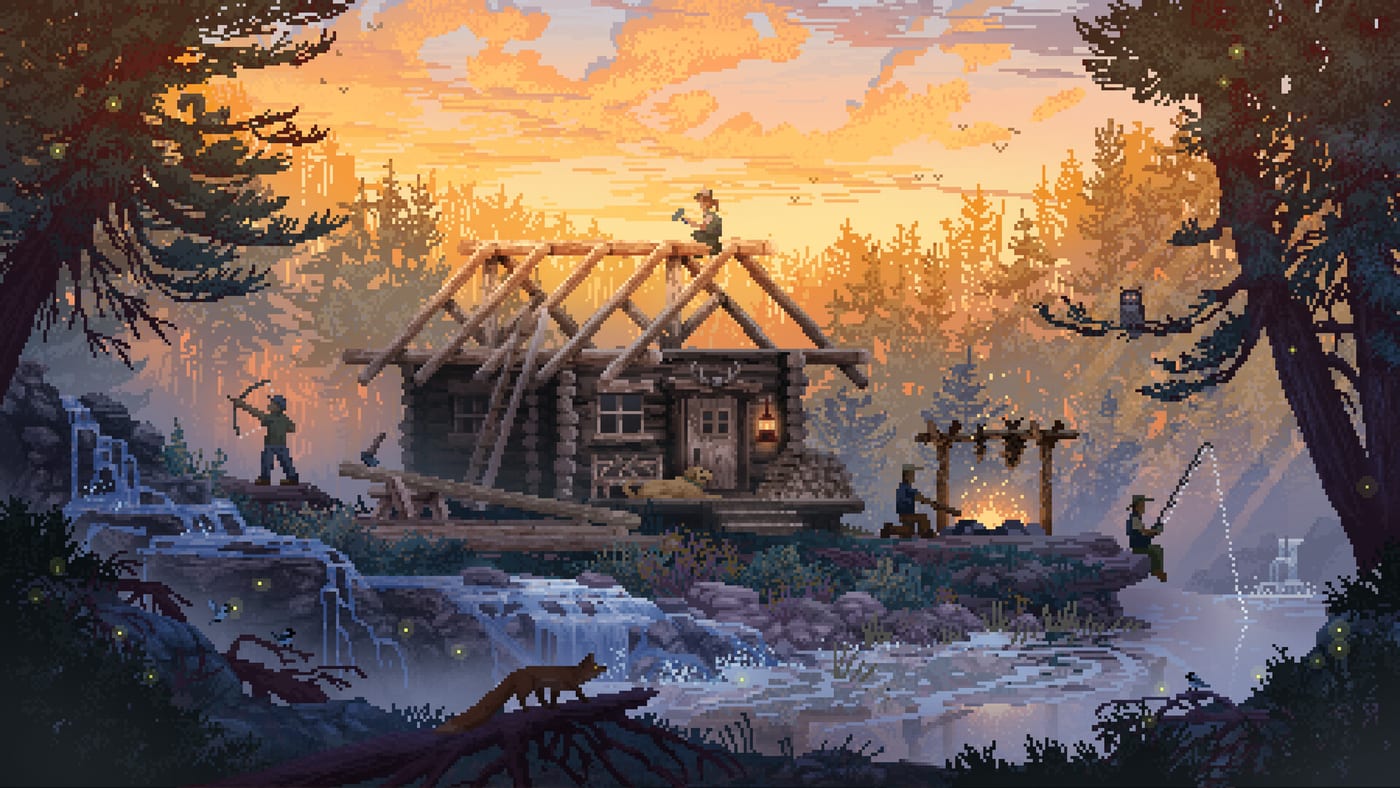
Wild n Chill is built for solo evenings with a dog or a cabin full of pals. Official features highlight online co-op for up to four players, plus Shared/Split Screen and Remote Play Together on Steam. The full game is still upcoming (TBA), while Steam hosts a Demo — Demo build dated August 6, 2026 — where Coldwater Crossing is the place to practice multiplayer manners.
This guide is about social systems: roles, camp rules, and how not to turn a cozy wilderness escape into four people starving in parallel. For solo onboarding, use Getting Started. For Demo boundaries, use the Demo Guide.
Co-op modes at a glance
- Online co-op (up to 4): the headline multiplayer fantasy — split chores across a shared wilderness life.
- Shared / Split Screen: same-couch energy when everyone is in one room.
- Remote Play Together: Steam’s invite-style option when not everyone owns the same setup.
Whatever the seating chart, the gameplay truth is identical: somebody has to mind food, water, energy, timber, and bear awareness.
The store-page chore joke is actually the meta
Wombat Brawler’s copy jokes that one friend hunts while another fishes, someone gathers firewood, and the self-appointed carpenter puts the window in backwards. Lean into that structure on purpose:
| Role | Primary job | Wiki follow-ups |
|---|---|---|
| Hunter | Calories + journal animals | Wildlife, Dog Companion |
| Fisher | Steady food + calm routes | Survival Needs |
| Gatherer | Forage, trade surplus | Trading with Buck |
| Builder | Shelter, sheds, storage | Cabin Building, Crafting |
Rotate roles between Demo nights so nobody is forever “the wood person.”
Session zero: agree before you spawn
Spend two minutes on rules:
- Where is camp, and what is the water petal?
- Who carries the trade bag if you visit Buck?
- What is the black bear protocol when the dog warns?
- Are we expanding the cabin tonight or only stabilizing needs?
- What time do we force a campfire logout so nobody rage-hikes in the dark?
Those answers prevent 80% of co-op friction. Map helps you share landmarks; Controls helps anyone still learning inputs.
Needs are a shared budget
In solo play, empty meters punish one person. In co-op, they punish the vibe. Keep a visible camp checklist: water topped, calories staged, energy respected, firewood dry. If two players both “just go hunting,” the gatherer returns to an empty cupboard and the chill dies.
Use storage intentionally. Food stores and wood sheds exist in the building fantasy for a reason — they turn four backpacks into one plan. Details in Cabin Building and Survival Needs.
Threat discipline with friends
Most critters leave you be, but bears and wolves are the exceptions in the game’s pitch. Demo black bears roam dense woods. Co-op groups get brave and loud; bravado is how wipe stories start.
Dog companion warnings should be called out on voice chat. Retrieval help should not lure the whole squad into the same brush pocket. Read Dog Companion and Wildlife before a “let’s poke the bear for content” evening.
Building without griefing yourselves
Cabin creativity is half the fun — until someone blocks the main path with a “statement piece.” Adopt build etiquette:
- One builder leads footprint decisions.
- Others gather materials instead of freehand remodeling.
- Decorative passes happen after survival shelter, dry wood storage, and food infrastructure exist.
- If Shared Screen makes placement awkward, pause and let one player finish the wall.
Crafting recipes and fixtures live under Crafting.
Buck runs as group content
Hermit Buck trading is excellent co-op content because it creates a shared errand with a punchline. Appoint a carrier, travel with energy headroom, and bank rewards before vanity spending. Trading with Buck covers surplus etiquette.
Keeping expectations honest
The Demo can be downloaded today; the complete Wild n Chill release remains upcoming. Do not assume every region (eleven planned), every hermit, or every cabin style appears in Coldwater Crossing multiplayer sessions. When features expand, check Updates and Links.
A cozy co-op scorecard
You “won” the Demo night if:
- Everyone ate and drank without a lecture
- Camp is safer or prettier than when you started
- At least one person used the dog’s warning correctly
- Nobody rage-quit over a blocked doorway
- You still want to invite the same crew back
That scorecard beats loot screens. Wild n Chill co-op is about shared slow living — up to four players, one cabin dream, and a wilderness that stays honest.
For the full guide index, return to the Guides Hub. For optional wiki helpers, peek at Tools.
Frequently Asked Questions
Quick answers to the most common questions.
How many players can join Wild n Chill co-op?
Online co-op supports up to four players. Steam also lists Shared/Split Screen and Remote Play Together.
What is the best co-op strategy?
Split chores on purpose: hunt, fish, gather, and build as separate roles, then reconvene at camp to store surplus.
Does co-op work in the Demo?
The game is designed around co-op play; use the Demo in Coldwater Crossing to practice roles while the full game remains TBA.
How do we handle black bears in multiplayer?
Call out dog warnings, avoid stacking the whole squad in dense brush, and keep energy high enough to disengage cleanly.
Any tip for Shared Screen building?
Let one player lead placement while others gather materials — it prevents blocked paths and backwards windows.