Wild n Chill Bears and Danger Guide
Keep the cozy fantasy — without treating black bears like scenery.
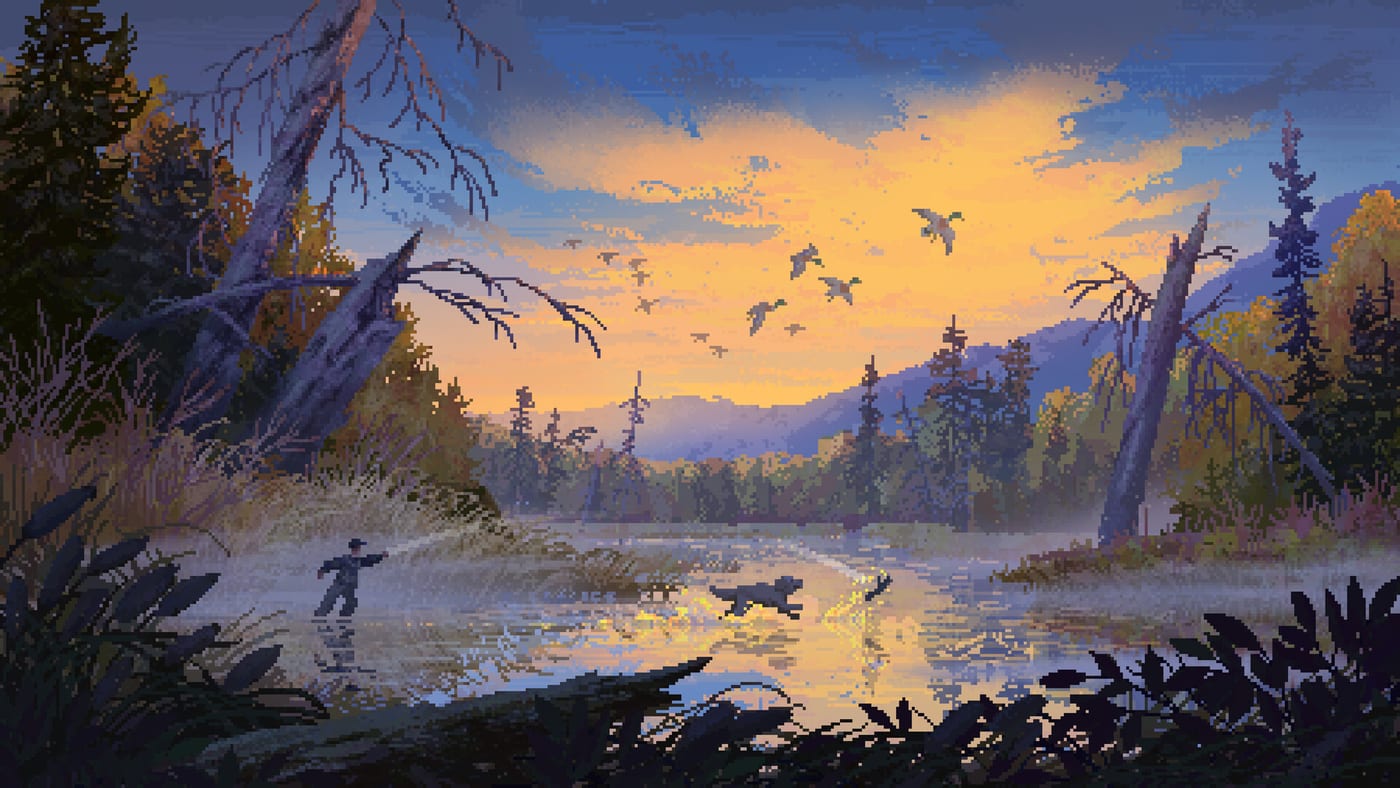
Wild n Chill is cozy on purpose, not careless by accident. Most wildlife will let you live the slow cabin dream, but black bears in dense woods are not always keen on sharing the trail. Store framing also keeps wolves in the campfire conversation. Steam hosts a Demo in Coldwater Crossing that went live August 6, 2026; the full game is TBA. This page is your threat-literacy guide: how to explore, hunt, and build without turning chill into a rescue story.
Read this beside Getting Started and the Demo Guide so danger advice matches what Coldwater Crossing actually teaches.
The danger mindset
Treat risk as weather. You still go outside; you dress for it. That means:
- Know your return path before you greed a ridge
- Keep food, water, and energy off empty — Survival Needs
- Carry tool readiness that matches the plan — Tools Progression
- Listen to the dog — Dog Companion
- Place camps with exits, not only views — Cabin Building and shelter notes on Recipes
Cozy games punish ego quietly. The failure state is often “I walked too far with no fire plan,” not a cutscene boss.
Black bears in Coldwater Crossing
Demo copy calls out black bears in dense woods. Translate that into habits:
- Dense cover is not a shortcut aisle. Skirt edges when hauling meat or fiber.
- Noise and clutter matter. Process game away from sleep spots when you can; keep camp tidy.
- Do not craft mid-pressure. Finish knife work at cleared camps, not in brush tunnels.
- Abort is a skill. Drop the journal flex and walk when the woods feel wrong.
- Co-op spotters save runs. Online up to four — someone watches while someone loots.
Bears are part of why hunting hides, smart trails, and calm bows exist in the fantasy. They are also why fishing banks on Fishing sometimes beat a timber chase.
Wolves and camp pressure
Wider store language talks about keeping wolves out of camp while you keep belly full and firewood dry. Even when a given Demo moment is quieter, build as if food storage and perimeter sense matter. Wet wood and scattered scraps are how chill camps become stressed camps. Align builds with Crafting priorities: fire and shelter before decorative sprawl.
Dog warnings and retrieves
Your trusty companion is a safety tool. Warnings buy seconds; retrieves reduce how long you linger over a carcass in bad cover. Keep the dog fed and pathable around camp furniture. If the dog is restless, treat that as information — then decide whether the ridge is worth it. Details live on Dog Companion.
Route planning on the Demo map
Use Coldwater Crossing to prefer routes with landmarks and water access. Mark mental “no greed” thickets. Forage loops on Foraging should bounce between open margins and known clearings. Journal hunts on Animals Journal can wait for daylight and stable needs.
Eleven regions are planned for the full wilderness. Danger literacy you learn here — exits, tidy food, tool readiness — should travel with you when new biomes open. The full game remains TBA; do not assume every threat table is finished.
What to do when things go wrong
- Break line of travel toward open ground or known camp
- Stop adding objectives (“might as well grab more fiber”)
- Burn energy on escape, not on inventing a new craft
- Re-establish fire, food, and water before the next bravado walk
- In co-op, call the retreat out loud; pride is not a shared resource
If Hermit Buck can trade something that shortens a dangerous gather, take the social option — Trading with Buck.
Chill does not mean invincible
The brand promise is slow living with pals, a dog, and a cabin dream. That promise works when players respect the wild’s veto power. This wiki will never tell you the Demo “already removed danger” or that the full game has “launched with easy mode woods.” We will tell you to keep firewood dry, trails known, and bears given space.
Checklist before a danger-adjacent outing
- Needs stable; knife/fire plan real
- Dog with you; co-op roles assigned
- Route landmarks set via Map pages
- Hunt/fish/forage goal is singular, not a five-stop tour
- Abort conditions agreed (“we leave at half energy”)
- Controls comfortable enough that panic inputs are not the real boss
- Wiki Tools ready if you track notes between sessions
Return to Wildlife for fishing and journal pages, and to Guides when you want whole-session walkthroughs. Stay cozy. Stay awake to the timber.
Frequently Asked Questions
Quick answers to the most common questions.
Are black bears in the Coldwater Crossing Demo?
Yes. Demo guidance highlights black bears in dense woods. Give them space, keep routes planned, and listen to dog warnings.
How do I keep camp safer?
Tidy food, dry firewood, sensible shelter placement, and tool readiness. Broader design also frames wolves as a camp concern.
Should I fight every threat?
No. Aborting a greedy loop is good play. Fish, trade with Buck, or forage margins when timber feels wrong.
Does co-op reduce danger?
It can, if someone spotters while others work. Online co-op supports up to four — communication matters more than raw headcount.
Where do I learn safe routes?
Start with the Coldwater Crossing map page, then pair with Survival Needs and Tools Progression before long hunts.