Wild n Chill Animals Journal Guide
Log critters patiently while you hunt, forage, and explore Coldwater Crossing.
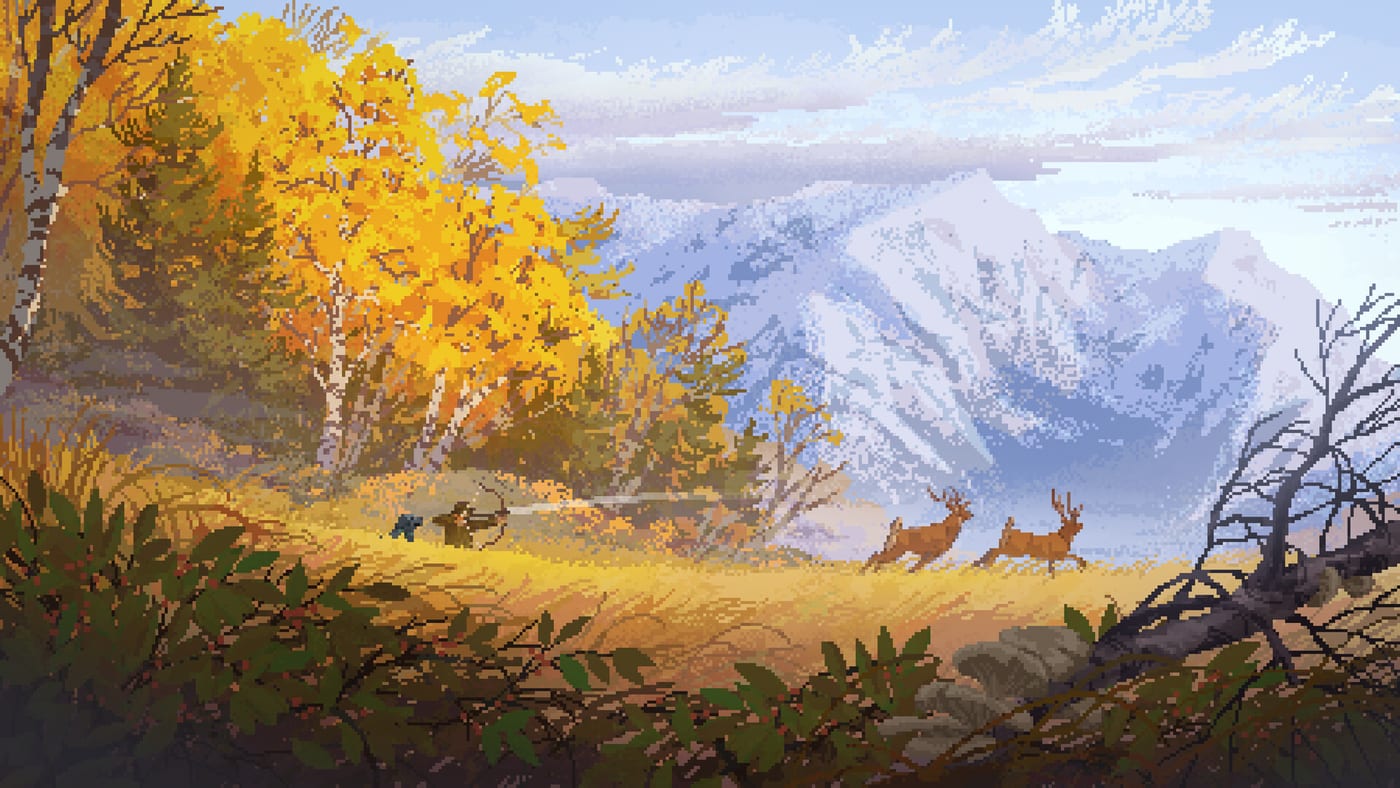
The Animals Journal is where Wild n Chill turns quiet observation into long-term progress. Wombat Brawler’s cozy wilderness game asks you to live with the land — hunt, trap, gather, and notice — not to clear a combat bestiary. Steam hosts a Demo in Coldwater Crossing (Demo went live August 6, 2026). The full game is TBA, with a planned catalog of 40+ animals across eleven regions. Use this page to build journal habits that stay safe, useful, and chill.
If you are still setting up camp basics, finish Getting Started and Tools Progression before treating the woods like a checklist.
What the journal is for
Think of the journal as three things at once:
- A memory aid for which animals you have actually met
- A motivator to explore new edges of Coldwater Crossing and, later, other regions
- A bridge between hunting practicality and curiosity — food plus wonder
You do not need every entry on day one. You need honest encounters you survive. Empty bravado in dense bear country fills medical fantasies, not journal pages.
Demo encounters vs roadmap totals
Coldwater Crossing teaches essentials: forage, hunt, craft simple tools, build a survival shelter, and meet locals such as Hermit Buck. Animal variety in the Demo is a slice of the wider 40+ target. When this wiki lists “40+ animals,” that is the planned full experience, not a claim that every species already walks the Demo map. Keep language precise so expectations stay kind.
As the full game opens more of the eleven-region wilderness, journal completion will naturally stretch across biomes — coastlines to high country in the studio’s own framing. Until then, mastery means learning Coldwater’s regulars: prey patterns, noise habits, and which trails double as food routes.
Safe journaling habits
- Spot first, shoot second. Identify before you commit a chase.
- Log at camp or a clear overlook, not mid-threat.
- Bring the dog for warns and retrieves — Dog Companion.
- Keep Survival Needs stable so curiosity trips do not strand you hungry.
- Read Bears and Danger before dense-wood trophy walks.
- Use Coldwater Crossing landmarks so “I saw it near the creek bend” means something next session.
Journal progress should never require abandoning firewood plans. If camp is wet and food is thin, hunt for dinner first; jot notes after the cook fire settles.
Hunting with journal intent
Bow readiness from the crafting ladder changes what you can pursue calmly. Without range tools, stick to closer, safer opportunities and let fishing on Fishing cover protein gaps. Traps and hunting hides appear in the broader cabin design — pair those later with Recipes and Cabin Building when your build options expand.
Dress game cleanly with knife-tier tools, haul what you can carry, and cook promptly. Wasteful piles attract the wrong kind of attention and break the cozy fantasy. Co-op groups (online up to four) can split roles: spotter calls species, hunter takes the shot, carrier hauls, cook processes. That split fills journal and larder together.
Observation without extraction
Not every animal entry needs to end as a harvest. Sometimes the chill win is watching a trail, noting behavior, and walking home with fiber instead of a fight. Forage loops on Foraging often brush wildlife — move quietly, keep exits, and treat unexpected meetings as information.
Wolves show up in store framing as a camp concern (“wolves outta camp”). Respect that pressure even when a specific Demo moment is quieter. Tidy food, dry wood, and smart shelter placement do more for long-term journal access than heroic stands.
Trading, locals, and the social map
Hermit Buck may trade if you bring something worth offering. He is not an animals-journal entry, but meeting locals sits beside wildlife literacy in Demo goals. A good trade can replace a risky hunt when you only needed materials — Trading with Buck.
Session checklist
- Confirm bow/knife readiness and camp fire before long wildlife walks
- Pick a map edge with a known return path
- Note species, time of day, and terrain tags mentally or on paper
- Retrieve with the dog when it is safe
- Cook and store; then update journal comfort at camp
- Cross-check Wildlife hub pages if danger or fishing should take priority next
For controls hiccups, see Controls. For trackers, see Tools. For the wider story, return to Guides. Fill the journal like a field notebook: patient, dated in your head, and always with a trail home.
Frequently Asked Questions
Quick answers to the most common questions.
Do I need all 40+ animals in the Demo?
No. 40+ is the planned full-game target across eleven regions. The Demo focuses on Coldwater Crossing encounters.
When should I update the journal?
Log at camp or safe overlooks after you identify an animal — not while fleeing danger or ignoring hunger.
Does hunting required for every journal entry?
Not necessarily. Observation can matter; harvest when you need food and can do so safely.
How does the dog help journal runs?
Your dog can warn about nearby danger and retrieve game, making solo observation safer and cleaner.
Where should I go after this page?
Read Bears and Danger before dense woods, Fishing for water protein, and Coldwater Crossing for route landmarks.